

Asbestos Exposure Mesothelioma
Asbestos is a grouping of minerals that are bonded together to create thin, fibrous substances. When these materials are disturbed tiny fibers are suspended in the air and can be inhaled. They cling to the lung's lining (pleura), and sometimes get into the abdomen or heart lining (peritoneum or tunica vaginalis).
Asbestos exposure can increase your chance of developing mesothelioma. You could be at risk if you have a family history of mesothelioma disease or a genetic mutation that can cause mesothelioma.
Risk Factors
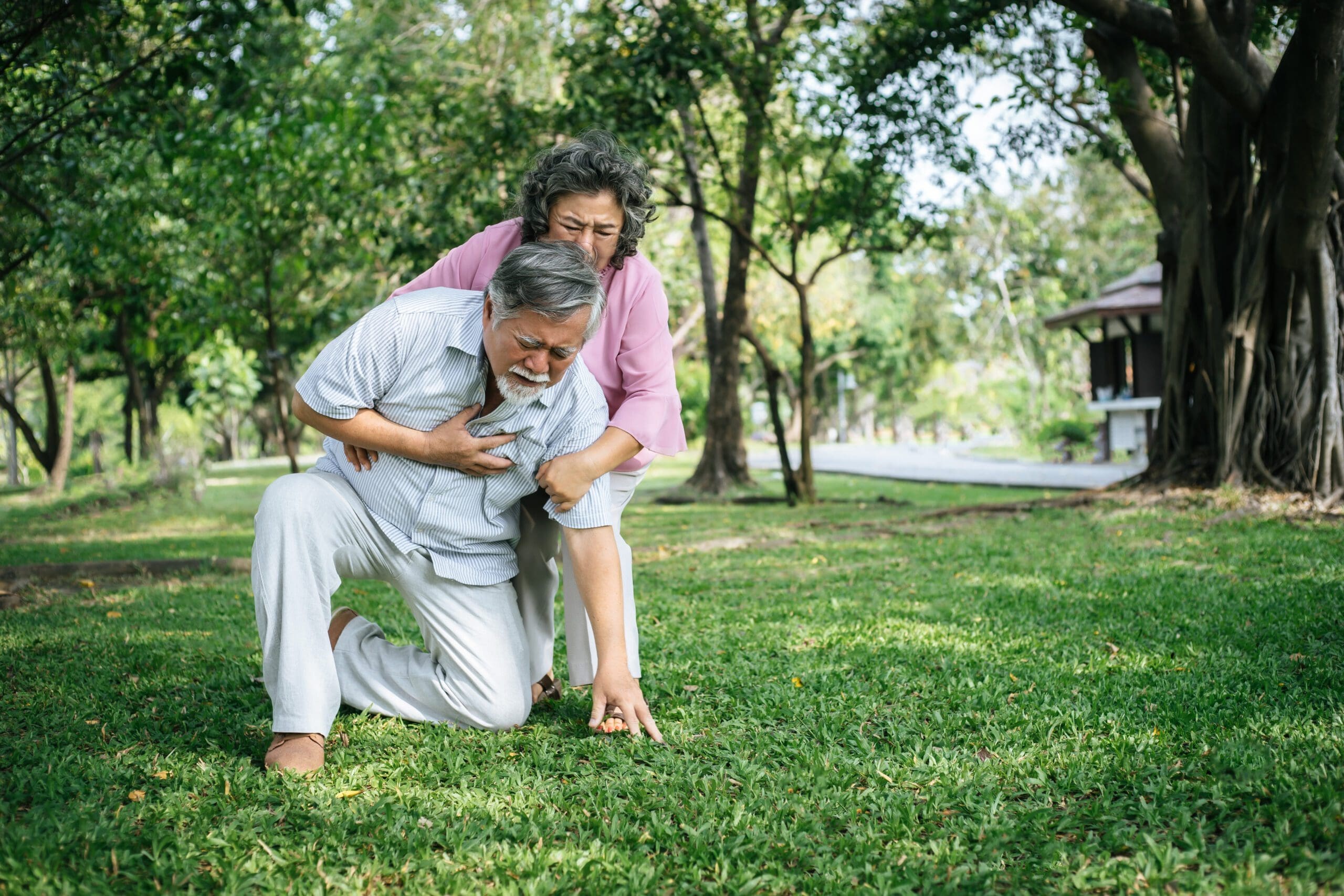
People who work with asbestos are the highest risk group for developing mesothelioma. People who were exposed to other ways of exposure to asbestos are also at risk. Asbestos is a naturally occurring mineral fiber that grows in bundles. It was used in many different products, including roofing materials, insulation, and fireproofing. Mesothelioma affects the linings of organs and tissues in the body. Mesothelioma is caused due to many factors, including asbestos exposure, age, gender, and genetics.
Pembroke Pines asbestos attorney is a substance that people are exposed to when they work with the substance or when it is introduced into their home. Asbestos exposure is most common in construction, shipbuilding manufacturing, and energy industries. These jobs expose workers to asbestos-rich levels. Mesothelioma is more prevalent in males than females and the disease is more likely to occur later in life than other types of cancer.
Researchers have identified geographic regions that are more susceptible to the asbestos-related diseases. These areas are referred to as asbestos concentrations or foci. These foci generally have a higher rate of mesothelioma than national average and the disease is found in areas near former asbestos cement plants. These areas are also distinguished by a lower ratio of males and females and a younger age of beginning.
Many mesothelioma cases have been reported in individuals who did not directly participate in the asbestos industry. These individuals are referred to as non-occupational or para-occupational mesothelioma victims. The cases from these groups include veterans of the military and others who were exposed to asbestos through their daily lives or by living with a mesothelioma patient.
The risk of mesothelioma increasing depending on the length of time and the intensity of the asbestos exposure. Exposure to asbestos is the most likely to lead to mesothelioma if asbestos is swallowed or inhaled. Mesothelioma symptoms typically manifest between 15 and 40 years after the first asbestos exposure.
The BAP1 gene mutation, smoking, a person's lifestyle and diet, as well as the SV40 virus are also risk factors that have been linked to mesothelioma. These risk factors are not likely to cause cancer, but they can make symptoms more severe and accelerate the disease's onset.
Symptoms
Mesothelioma symptoms and signs can be mistaken for those of other, less serious diseases. Mesothelioma affects the lining of certain organs. The most frequent types of mesothelioma are pleural and peritoneal however, it can also affect the heart and testicles. Symptoms usually show up decades after asbestos exposure.
Asbest fibers can cause irritation to the mesothelium, which protects organs within the body. The mesothelial cell to develop into cancerous tumors. The most common mesothelioma type is pleural that affects the lungs as well as the lung wall lining (pleura). This type is characterized by constant fatigue, weight loss and coughing.
Pleural mesothelioma may take between 15 and 60 years for it to be discovered following exposure to asbestos. Asbestos fibres inhaled at work become embedded in lungs' the lining. The fibres may travel to other parts, such as the abdomen's lining, heart, or testicles.
In the United States mesothelioma is most common in people aged 65 and older who have been exposed to asbestos for a period of 20 years or more. The most frequent exposure to asbestos occurs in workplaces like shipbuilding or mining for asbestos. It can also occur in homes that were built or remodeled before the late 1980s and in areas where asbestos-containing materials were employed.
Asbestos is a popular material to provide insulation and fireproofing in the construction industry. The people who worked in these industries, including blue-collar workers and those from all branches of the military are at risk of developing mesothelioma. Asbestos exposure can also cause mesothelioma for people who lived with asbestos-exposed people, or the family members of those diagnosed with the disease.
Symptoms of mesothelioma can vary widely and are difficult to diagnose. Typically, the symptoms are often mistaken for the flu or other ailments. Anyone with persistent or worrying symptoms should visit their GP. They should also inform them of any asbestos exposure they may have been exposed to in the past. They may refer the patient to a specialist who will perform additional tests. These tests can confirm the diagnosis of mesothelioma as well as reveal the extent of the disease. Tests may include blood, lung and tissue samples. These can be analysed to find out which kind of mesothelioma or epithelioid, sarcomatoid they suffer from.
Diagnosis
A diagnosis of mesothelioma resulting from asbestos exposure typically begins with a physical exam and review of your medical history, which includes your exposure to asbestos. Doctors may also suggest an array of imaging tests that help detect any possible tumors and determine where they are located in your body.
Mesothelioma is a cancer that is rare that affects the mesothelium, which is the layer that lines your organs and other tissues. It can begin in the layer of tissue that covers your lung's lungs (pleural mesothelioma) or in the layer that surrounds the organs in your tummy (peritoneal mesothelioma). The mesothelioma could be spread to other areas of your body, which is the reason it is vital for patients with mesothelioma be seen by doctors as soon as they can.
It can take decades for mesothelioma cancer to develop after you are exposed to asbestos. Doctors will require details about your exposure before they can identify the cancer. A qualified medical professional will take a full history of your symptoms and will ask questions about the place you lived or worked during the time you were exposed to asbestos.
Your doctor can also order blood tests to check your general health and see if there are any symptoms of mesothelioma within your body. For example, these tests can find the condition of your liver, kidneys and bone marrow are functioning. They can also tell if your lungs are getting enough oxygen and are removing carbon dioxide from your body.
X-rays are an essential element of mesothelioma diagnosis because they can show the presence of a possible tumor in your chest or abdomen. Doctors can also request computed tomography scans or magnetic resonance imaging test in order to make an image of your stomach or lungs, and to identify any possible growths.
A biopsy is typically required to confirm a mesothelioma diagnosis. A doctor will take a small portion from the affected area to be tested in a laboratory. This will help determine if the tumour is cancerous or not, and if it is localized to a particular area or has spread to other parts of your body.
Treatment
It's important to get treatment immediately if you start to notice any symptoms. Your doctor may recommend chemotherapy, radiation or surgery to treat the symptoms. It is essential to discuss your options and preferences with your doctor. This kind of discussion is known as shared decision making.
Mesothelioma is a rare cancer that affects the tissues that line the lungs as well as other parts of the body. Exposure to asbestos, which is a grouping of minerals composed of fine fibres which cause the condition, is the main reason. It was used widely in the past as a fire retardant in buildings and products because it resists chemical fire, heat and heat. People who were exposed to asbestos in their work may have breathed in the tiny fibers, which could stick in the lungs and cause issues over time. It could also be caused by living in a household with someone who was exposed to asbestos, or being involved in an accident that resulted in exposure to asbestos.
The most common mesothelioma type is pleural mesothelioma, which forms in the tissues surrounding the lungs. Mesothelioma is not as common to form in the tissue surrounding the abdomen (peritoneum) or the lining of the testicles or the heart. Mesothelioma is a disease with a long time to develop, which means that it can take 20 to 60 years after exposure to asbestos for mesothelioma symptoms and signs to develop.
Men are more likely to be diagnosed with mesothelioma more than women. This is due to the fact that more men are exposed to asbestos while at work. Women can also be exposed to asbestos through working in the same place as a male partner or friend who was exposed. Women are also more likely to be exposed to asbestos through household products like furniture or asbestos insulation.
The majority of patients who have mesothelioma have had exposure to brown or blue asbestos, although white asbestos is also associated with mesothelioma. These types of asbestos are more likely to cause mesothelioma than other kinds of asbestos such as amosite and crocidolite.